
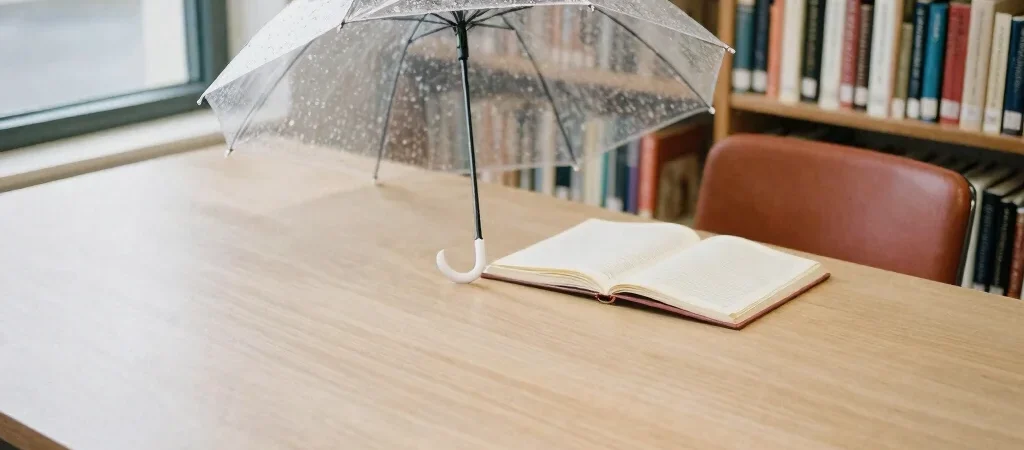
On a wet afternoon, the library’s first welcome may be a place to set down a dripping umbrella. Someone opens a laptop near an outlet; a child traces the spines of picture books while a parent checks the clock. The books matter, but so does the room around them.
A room with shared rules
Libraries offer a rare kind of indoor public space: you can stay without having to order anything, explain your reason for being there, or keep moving. The quiet is not absolute. Pages turn, keyboards click, and a chair scrapes the floor; the agreement is simply to leave enough room for someone else to concentrate.
The useful in-between
That makes the library valuable even on a day when no one checks out a book. It can hold the stretch between school and dinner, a job search and a bus ride, or one appointment and the next. A sturdy table and a working outlet can turn that gap into time someone can use.
Notice what the room permits
The best measure of a library may be how many kinds of ordinary day it can accommodate. Look past the shelves next time: notice where people pause, which seats stay occupied, and how the room handles a little noise. Those details show the library not just as a collection, but as shared civic space.